Entertainment PR: Are we still sending dropbox links in 2026 like its 2016?
Let’s start with an uncomfortably familiar moment of working in PR: “Can you resend the link?”
You know the one. A Dropbox folder. Sent weeks ago. Forwarded a few times. Now expired, lost, or impossible to tell if it’s the right one. Now don’t get us wrong. Dropbox is a great tool. It does exactly what it promises: it lets you send things. Fast, simple and reliable. Amazing.
But here’s the problem when you are sending assets, news and more and more updates around your unreleased content. When you’ve spent months — sometimes millions — creating a new show, film, or original production, something feels off by ending that long, often expensive journey by sending a generic file-sharing link.
Maybe feels a little uncontrolled, unbranded and even a bit unprofessional. Not to mention the scary security question no one really wants to think about: do you ever truly know where that content ends up?
The Great Entertainment PR Paradox
Competition in the entertainment industry has never been tougher. It’s wild out west out there. If you’re a streaming service or TV channel today, you’re not just competing with direct rivals, but rather you’re competing with:
short-form content
social platforms
YouTube
gaming
literally everything fighting for attention
The usual equation goes that if you get more media attention, it means more viewers, and more viewers means more subscribers. And that pressure trickles all the way down to PR teams to get coverage and spread the word. At the same time, our industry is built on:
great storytelling
strong brand identities (e.g you know its going to be a good show if it’s an HBO original)
perfectly timed releases
embargoes, exclusives, and tight deadlines
When stress is high and timelines are tight, the cracks start to show. Behind the scenes, teams are asking:
Did we send the right trailer to the right journalist?
Is this the version with subtitles or without?
Did that link expire?
Who actually has access to this unreleased content?
How do we make sure only the right people see it before launch?
Somehow along the way we’ve accepted that world-class content deserves world-class chaos.
The Dropbox Era: How We Got Here
To be fair Dropbox links made sense once. They were easy to set up fast to send “good enough” when volumes were smaller. Like for a photographer delivering wedding photos? Perfect. For an entertainment company handling multiple releases, territories, languages, embargoes, and stakeholders at once? Mmmhh not really.
That’s where things fall apart. Because today, PR teams are juggling:
multiple launches at the same time
journalists, influencers, partners, distributors, investors
content that needs to live before, during, and long after release
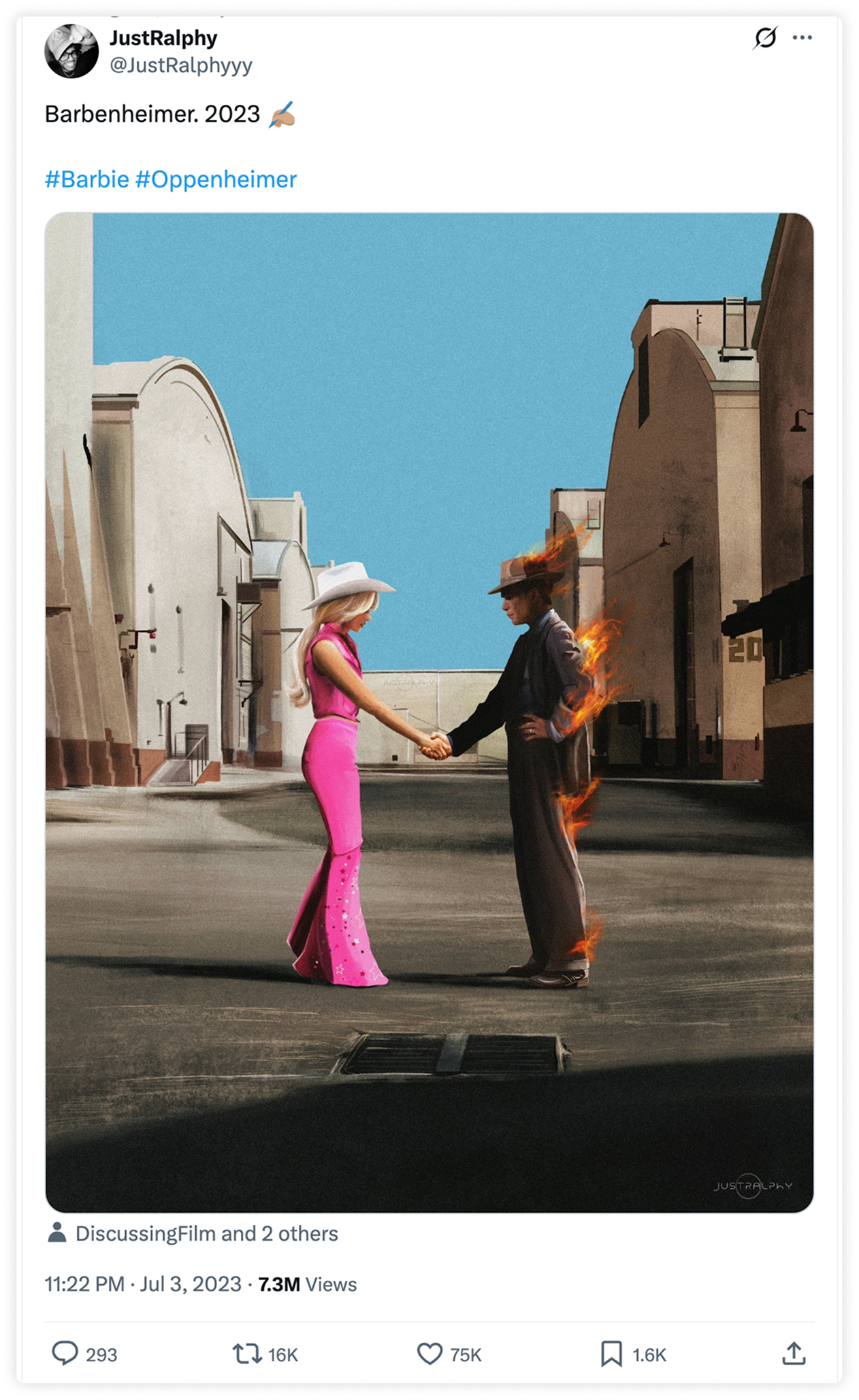
A single file-sharing link was never designed to handle that level of complexity. Tight deadlines, embargo management, and perfectly timed releases is a lot to juggle. In entertainment, timing is everything. No one wants to release two major films on the same day and split attention except, of course, Barbenheimer, when Oppenheimer and Barbie premiered simultaneously and turned competition into a viral moment. An exception that proved the rule and only worked because both films were already a multinational pop culture phenomenon.
(Tweet by @JustRalphyyy)
The Real Cost of “Just Sending a Link”
Every time you rely on a basic file-sharing link, you introduce:
version confusion
broken or expired access
endless follow-up emails
zero context around the content
no control over how assets are found or reused
PR teams spend less time telling stories and more time resending links, clarifying folders, and firefighting. It feels unproductive, adds an extra layer of stress and it pulls focus away from what actually matters.
What Modern Media Sharing Actually Looks Like
Here’s the quiet shift happening across the entertainment industry: Instead of sending files, teams are sharing destinations.
Modern media sharing looks like:
one always-updated link with the latest information
clearly structured assets (trailers, stills, key art, press notes, screeners)
context around each release
assets that remain accessible after premiere day
a professional, branded environment that reflects the content itself
Intentional in the sense that everything is secure, organized, discoverable and designed specifically for entertainment workflows. This is exactly where platforms like Clipsource come in, not to “replace Dropbox,” but to remove the friction the industry has learned to normalize.
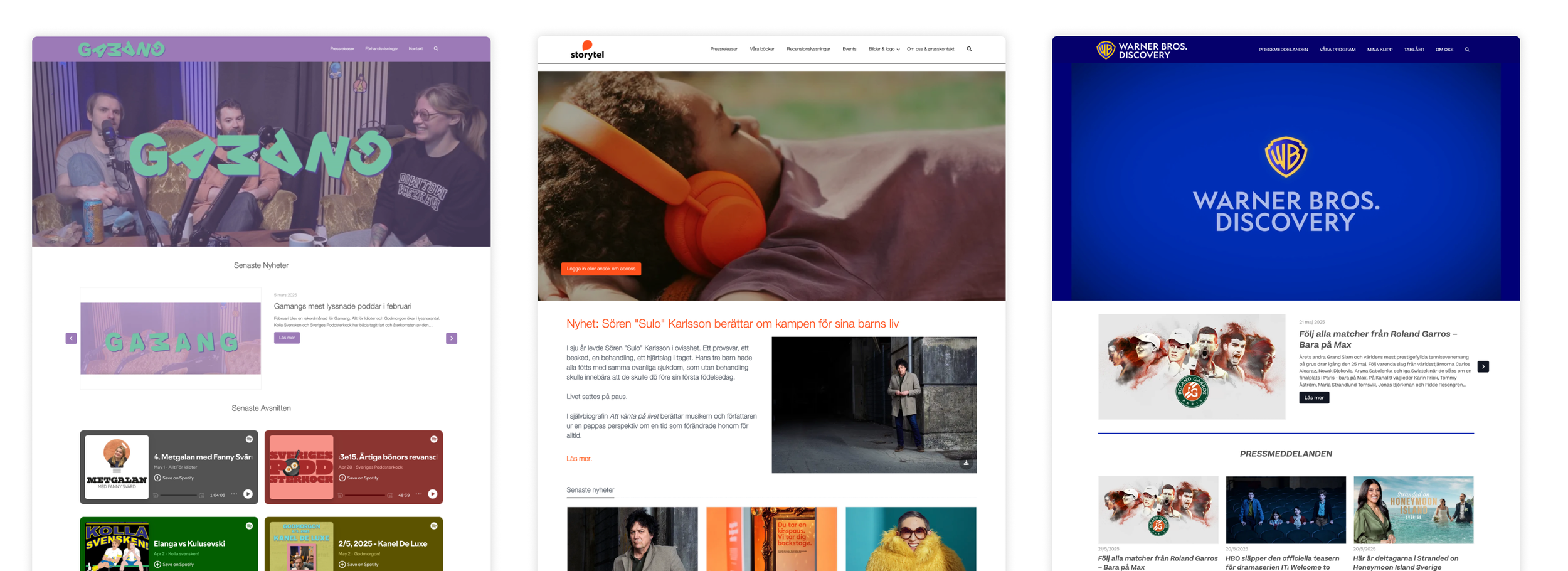
Press Rooms build for the entertainment industry
The Question Isn’t “Can We Keep Using Dropbox?”
You can keep sending links. The real question is: Does the way you share your media match the level of your content?
Because you’re not just sending files. You’re presenting stories. You’re building perception. You’re shaping how your brand is experienced before anyone even hits play. In an industry built on storytelling, presentation is part of the story.
And maybe, just maybe, 2026 is the year we stop resending links and start sharing something better.
Curious to how we offer press centers for leading streaming services across the globe? Email us over at sales@clipsource.com. We are always down to talk about Barbenheimer.